
Culture
OG Asian YouTubers That Defined Your Childhood


The YouTube landscape a decade ago was wildly different from what it is today. Instead of content produced by big corporations, clips from late-night shows, and videos spilling the tea about never-ending YouTube feuds, the YouTube of the late 2000s–early 2010s was populated by creators putting out innovative, authentic content.
Many of these early creators gained loyal followings and hundreds of thousands of fans, and for the first time, Asians had the chance to be at the front and center of the entertainment sphere. Although many of these original Asian YouTubers have since lost some of their influence, they shaped the childhoods of countless people and left a trailblazing legacy of Asian representation in the media.
NigaHiga
It seems like it was forever ago, but remember when NigaHiga used to be the most-subscribed YouTube channel? Following the release of his iconic “How To Be” video series in 2007, Ryan Higa became a breakout YouTube sensation with his comedy skits and parody videos. Over the years, he’s created original songs (“Nice Guys” is unexpectedly catchy), a podcast (Off the Pill), and even a few short films (Agents of Secret Stuff is delightfully cheesy). Although Higa hasn’t uploaded to his main channel in over a year, he now regularly streams on Twitch and uploads onto his second channel, HigaTV.
KevJumba
Kevin Wu skyrocketed in popularity in 2007 with his comedic vlogs and rants about his life. Many of his early videos centered around Asian stereotypes, and his brand of relatable, often self-deprecating humor quickly gave him a huge following. After Wu introduced his dad in his video “I Love My Dad,” “PapaJumba” also became a popular figure on the channel and was featured alongside Wu in his “My Dad is Asian” video series. Wu left YouTube in 2013 to return to college and explore his spirituality, and in 2015, he survived a near-fatal car crash that deepened his commitment to returning to his education. Following a brief return to YouTube four years ago, Wu now streams on Twitch and uploads to his new gaming channel, cybermuse.
Michelle Phan
Michelle Phan used to be THE YouTuber to watch for makeup tutorials. Her calm, zen-like voice guided viewers through anything from putting on an everyday school look to transforming into Sailor Moon. Phan went viral after her Lady Gaga-inspired tutorials were featured on Buzzfeed in 2010, and not long after, she was partnering with big brands like L’Oreal and even launching her own makeup companies (Ipsy, and later EM Cosmetics). Phan returned to YouTube in 2019 after a years-long hiatus, and she’s branched out into the music licensing industry too by co-founding the company Thematic.
FreddieW / RocketJump
Freddie Wong’s comedic shorts are full of action and convincing visual effects. His Guitar Hero gameplay is what initially put him on the map, but the content he’s most well-known for is probably his VFX-filled fight scenes in videos like “Cereal Killer” and “Beach Justice.” In 2011, Wong formed his own production company called RocketJump along with several other founders, and together, they released the popular web series Video Game High School. Even though RocketJump stopped posting videos onto YouTube in 2018, Wong and the rest of the company have gone on to produce TV series (check them out on Hulu!) and host podcasts.
communitychannel
For over a decade, Natalie Tran has been making hilarious videos about everyday situations. She’s discussed everything from the awkwardness of holding a door open for a stranger when they’re still way too far away to how it’s practically impossible to repack something back into its original box. Tran’s one-woman skits also have immaculate editing, sometimes with as many as six different versions of herself arguing with each other in the same frame. Tran has been on hiatus from posting videos on YouTube in part due to an intense bout of her OCD, but she has appeared on several TV shows in the past few years and is still active on social media.
Wong Fu Productions
Wesley Chan, Ted Fu, and Philip Wang first started making videos together close to two decades ago. Since then, they’ve created countless short films, music videos, and sketches spanning a variety of genres: comedy, action, romance, and every combination of the above. Many of their videos shine light on the contemporary Asian American experience, covering issues and stories that haven’t really been represented outside of YouTube. Almost all of their videos have a majority-Asian cast, and their sometimes-heartfelt, sometimes-hilarious, always-entertaining videos have resonated with millions of people over the years.
IISuperwomanII / Lilly Singh
Since creating her YouTube channel in 2010, Lilly Singh has gone on to write a book, appear in movies, and even host her own late-night talk show, A Little Late With Lilly Singh, on NBC — the first person of Indian descent to host such a show. On YouTube, Singh quickly became popular for her comedic sketches, many of which center around her Punjabi heritage and parody Indian stereotypes. Though Singh’s uploads have become less frequent as she becomes more active in the entertainment industry outside of YouTube (she’ll be joining the second season of Hulu’s comedy series Dollface), her recent videos are still as vibrant and relatable as her earliest ones.


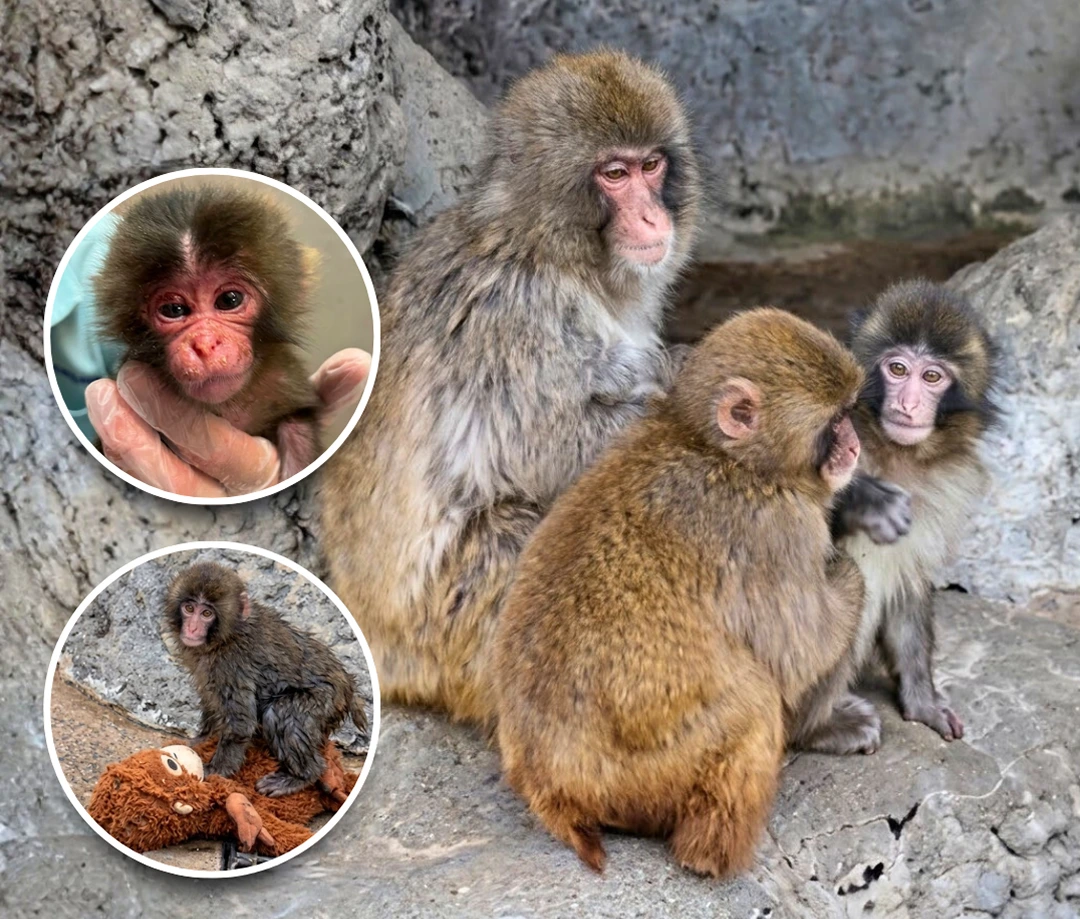
Punch has gone viral again after older monkeys comforted him following an accidental fall into a pond at the zoo.
Caretakers later confirmed that he had fully recovered, eating well, playing with peers, and running around energetically as if nothing had happened.
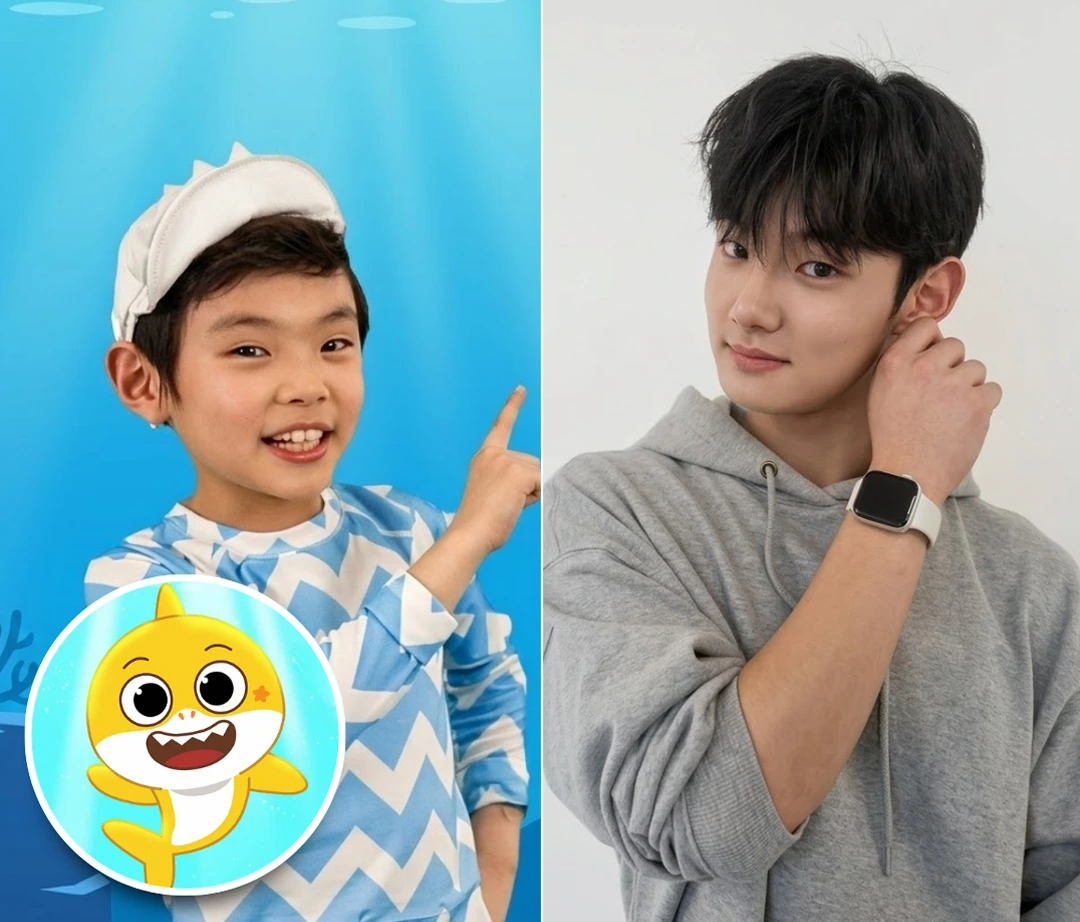
Back in 2016, Park Geon Roung was one of the child actors who starred in the Baby Shark Dance video, which went on to become the most viewed YouTube video of all time.
He was just a kid then, and now at 17, he is showing the world just how beautifully time flies.
Geon Roung never stepped away from the spotlight. Since 2019, he has been part of Play With Me Club, a South Korean co-ed kids group, keeping his place in showbiz.
Fans who rediscovered him recently were stunned, with many saying he now looks just like a K-pop idol.
The ‘Baby Shark’ video was uploaded to YouTube in June 2016 by Pinkfong, a South Korean education brand.
It quickly became a staple in nursery schools and a go-to distraction for parents of toddlers worldwide, turning into one of the most recognizable children’s songs of its generation.
For many who grew up watching that video on repeat, seeing Geon Roung at 17 is a quiet reminder of how fast kids grow up.
One day they are dancing to baby shark, and before you know it, they are teenagers the internet is falling in love with.

BLACKPINK’s Lisa is going viral after visiting Punch, the baby Japanese macaque at Ichikawa City Zoo in Japan.
She posted the moment on her Instagram Story, showing full love to the beloved viral monkey. The photos spread across social media almost immediately.
What made the visit even more special was what Lisa brought with her.
She carried an orangutan plush toy identical to the one Punch is famous for clutching, the same toy that once comforted a baby monkey rejected by his mother and turned him into a global sensation.

XO, Kitty Cast Plays Category Roulette | Anna Cathcart and Sang Heon Lee

BTS: The Return Creators Share How the Documentary Was Made | Bao Nguyen & Jane Cha

Cora Lu Tran: Get to Know Me | Will Trent

-

 Music5 years ago
11 Southeast Asian Artists You Should Listen to Right Now
-

 Music2 years ago
THE BLACK LABEL’s First Girl Group, MEOVV, Set to Debut with Their Single ‘Meow’
-

 Videos2 years ago
Get to Know Me: An-Li Bogan
-

 Videos10 months ago
K-Pop Demon Hunters Interview | Arden Cho, May Hong, and Ji-young Yoo
-

 Culture3 years ago
Remembering 9/11 Hero Betty Ong, the Flight Attendant That Alerted the World to the Events on Flight 11
-

 Movies2 years ago
Demon Slayer ‘Infinity Castle Arc’ Trilogy Confirmed
-

 Videos10 months ago
K-Pop Demon Hunters Interview | Maggie Kang and Chris Appelhans
-

 Entertainment1 year ago
BLACKPINK Confirmed For a Full Group Comeback With New Album and World Tour in 2025